Recipes
Iron-rich recipes, built to absorb.
Every plate pairs an iron source with a key that lets it in, and leaves out what blocks it. The iron on each is worked out from food tables, per plate, with the same checks the Ferritin app runs.
36 recipes
What every plate here has
An iron source
Meat, fish, liver, beans, lentils or seeds. Every plate carries 3 mg of iron or more.
A key for plant iron
Vitamin C or carotenoids, from pepper, tomato, citrus, berries, sweet potato or carrot, let plant iron in.
Heme beside plant iron
Meat or fish next to beans or greens helps the plant iron in too, so the two often share a plate.
Nothing that blocks it
No dairy, tofu, almonds or sesame on the plate, and water to drink rather than tea or coffee.
Iron-rich breakfasts
Most breakfasts carry little iron. These start the day with 3 mg or more, and none of them needs dairy.
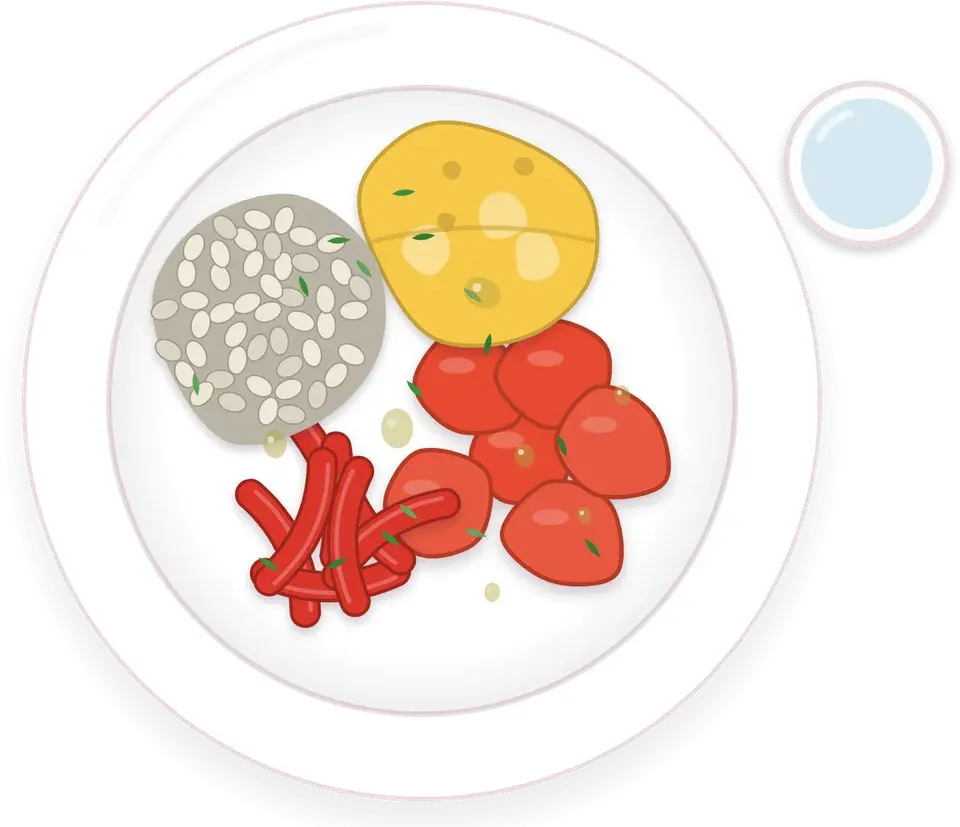 Breakfast20 minShakshuka with white beans and parsley6.8 mgVegetarian
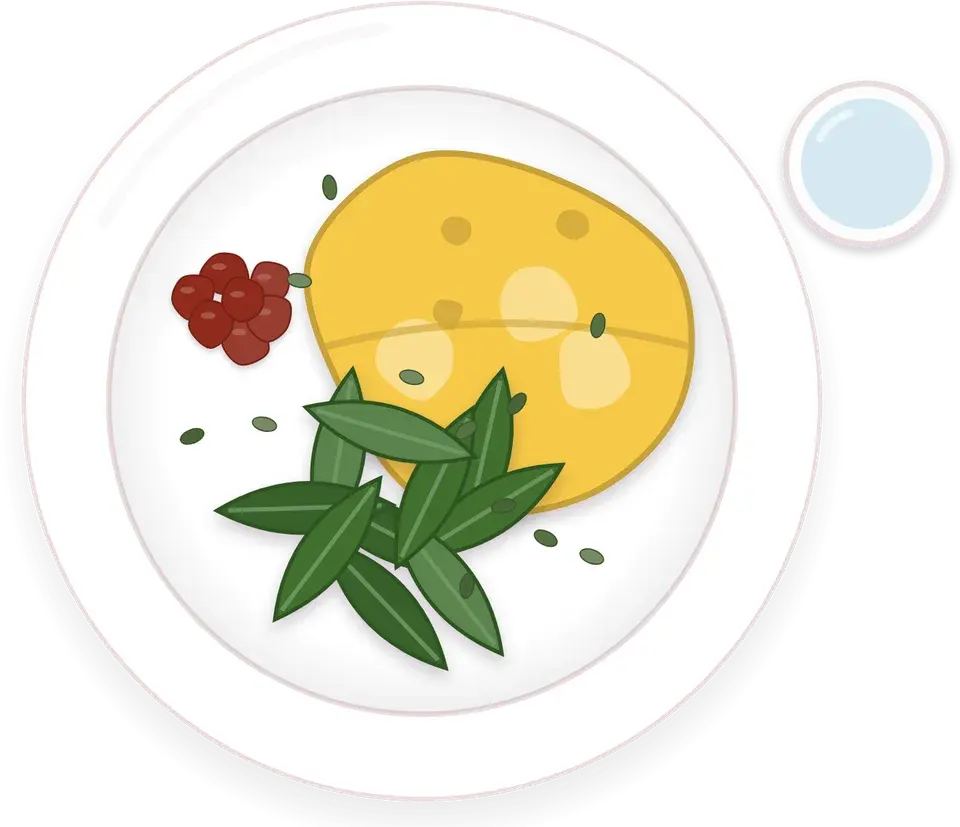 Breakfast10 minEggs with spinach, sun-dried tomatoes and pumpkin seeds6.6 mgVegetarian
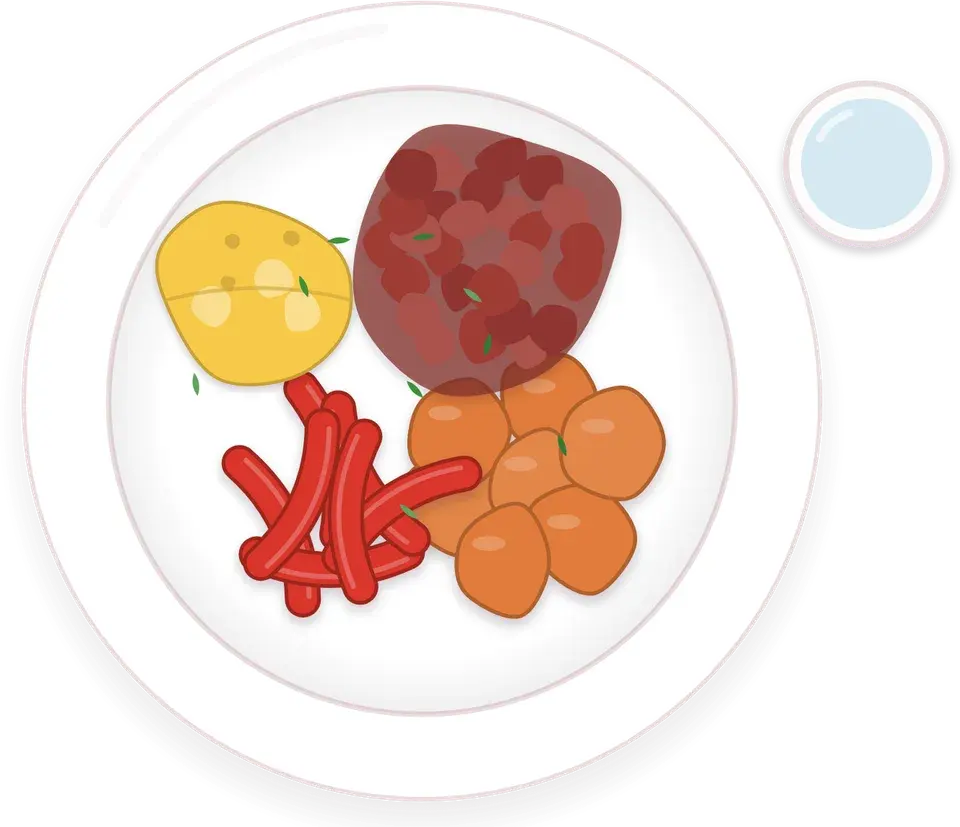 Breakfast20 minSweet potato and beef hash with a fried egg4.9 mg
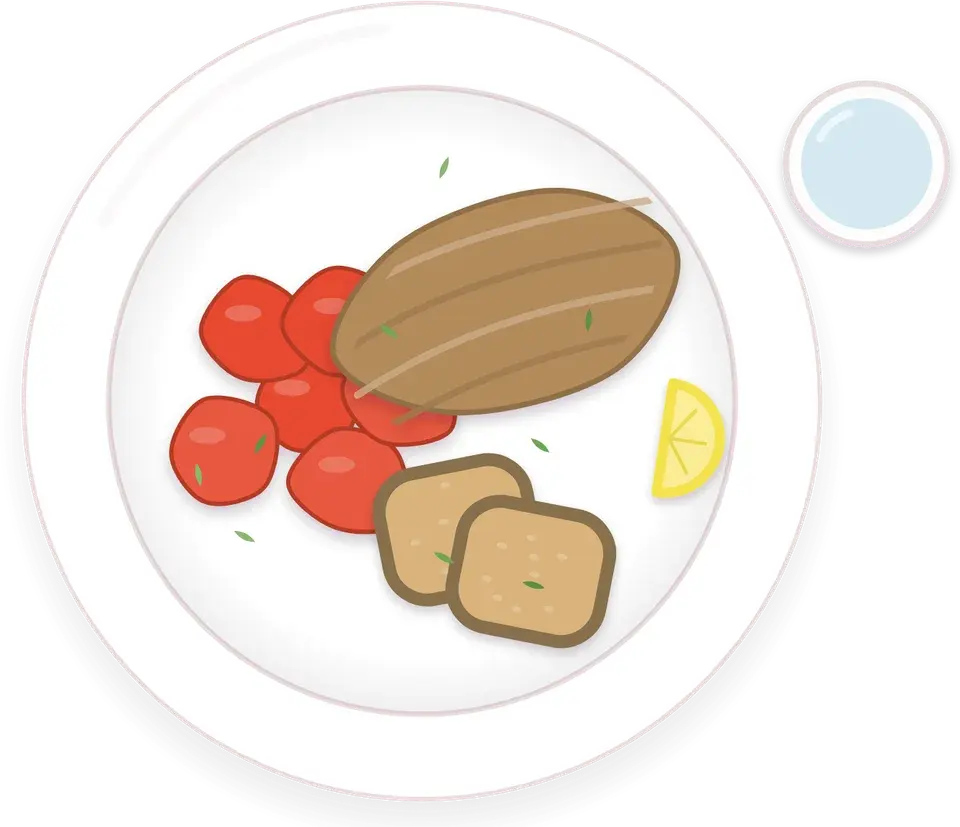 Breakfast5 minSmoked mackerel on sourdough with tomato and dill3 mgPescatarian
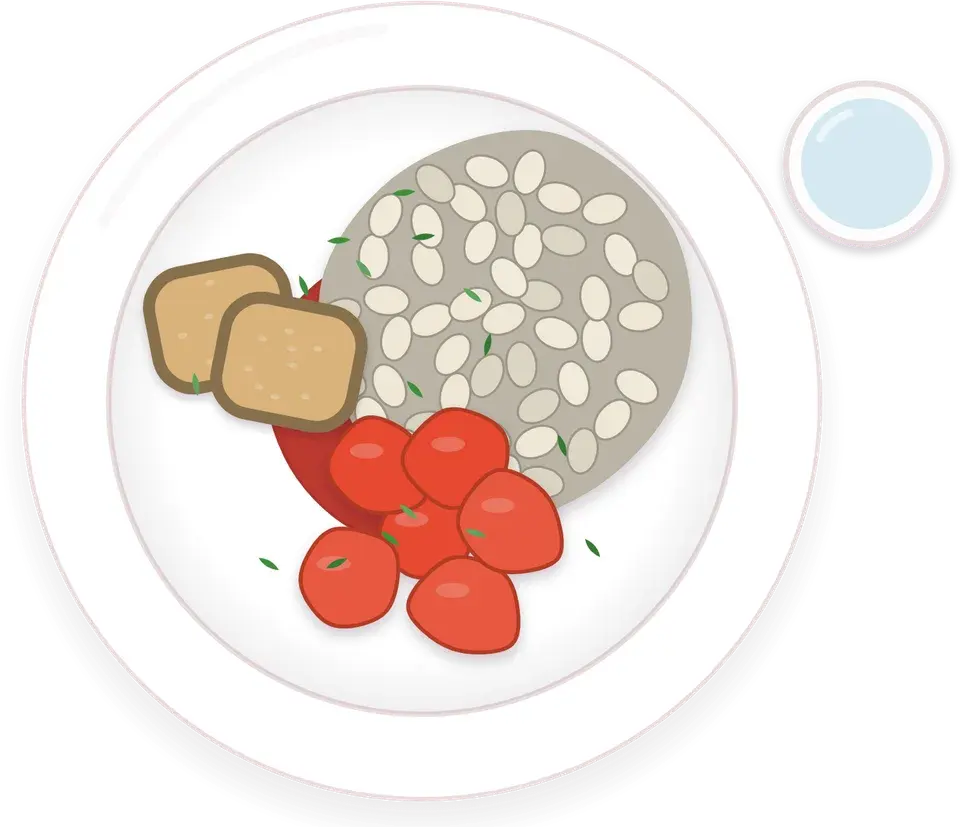 Breakfast10 minBeans in tomato on sourdough8.2 mgVegan
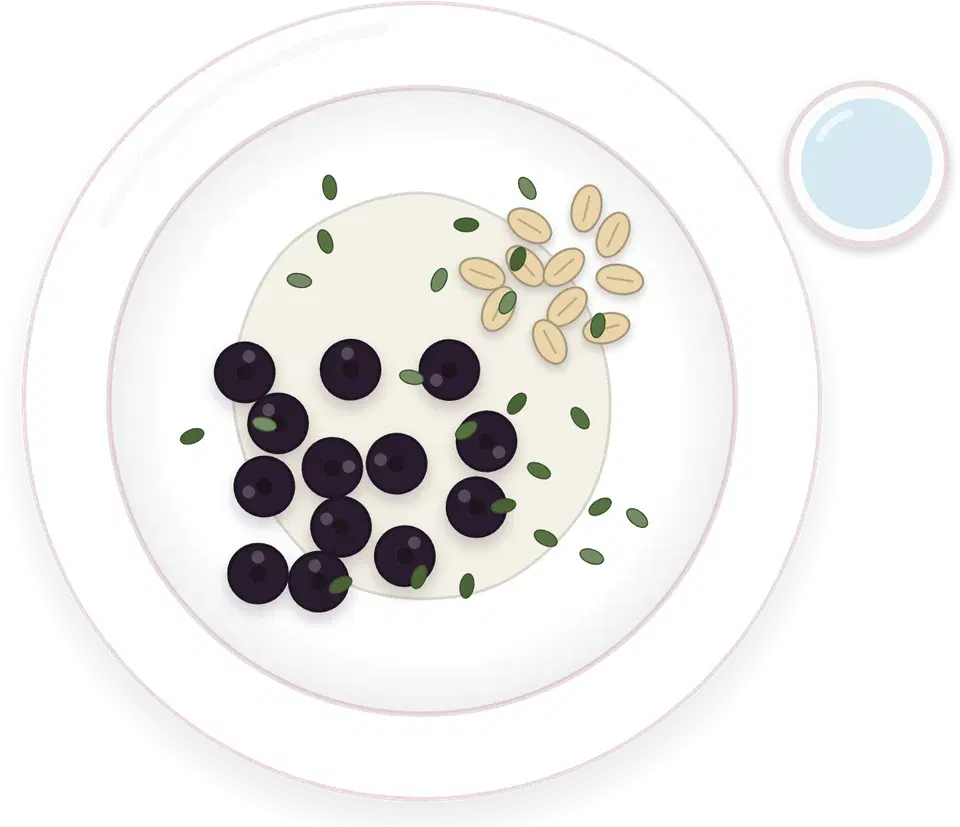 Breakfast5 minCoconut yogurt with blackcurrants and toasted seeds6.4 mgVegan
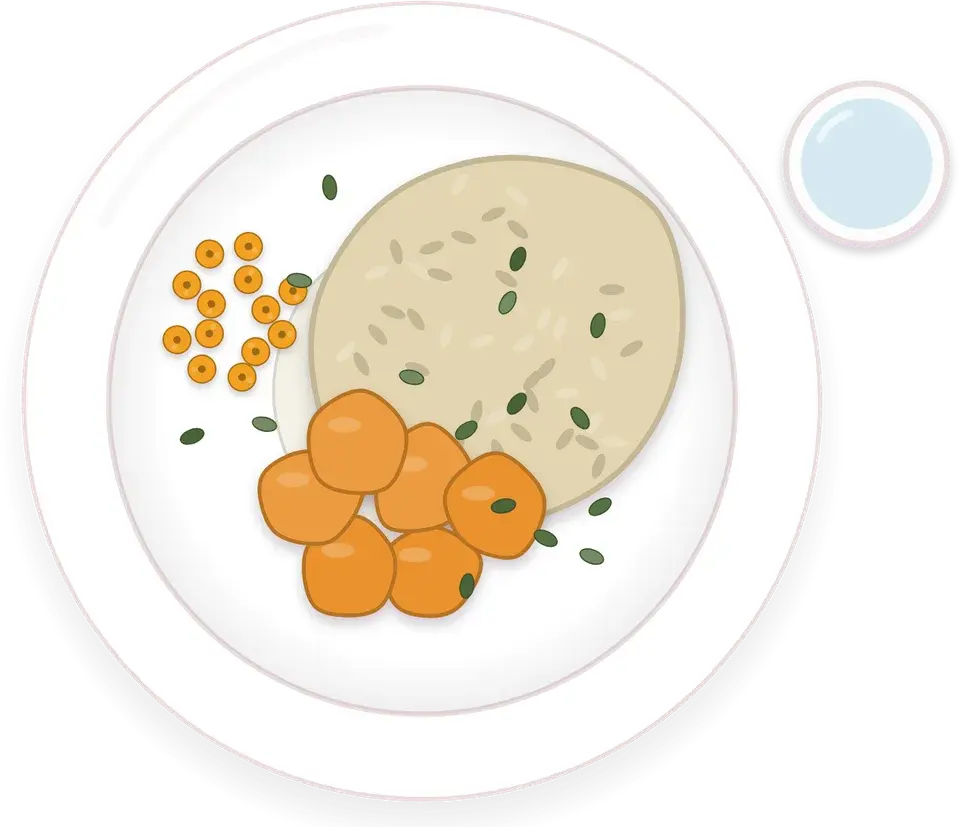 Breakfast20 minWarm quinoa porridge with pumpkin, seeds and sea buckthorn5.4 mgVegan
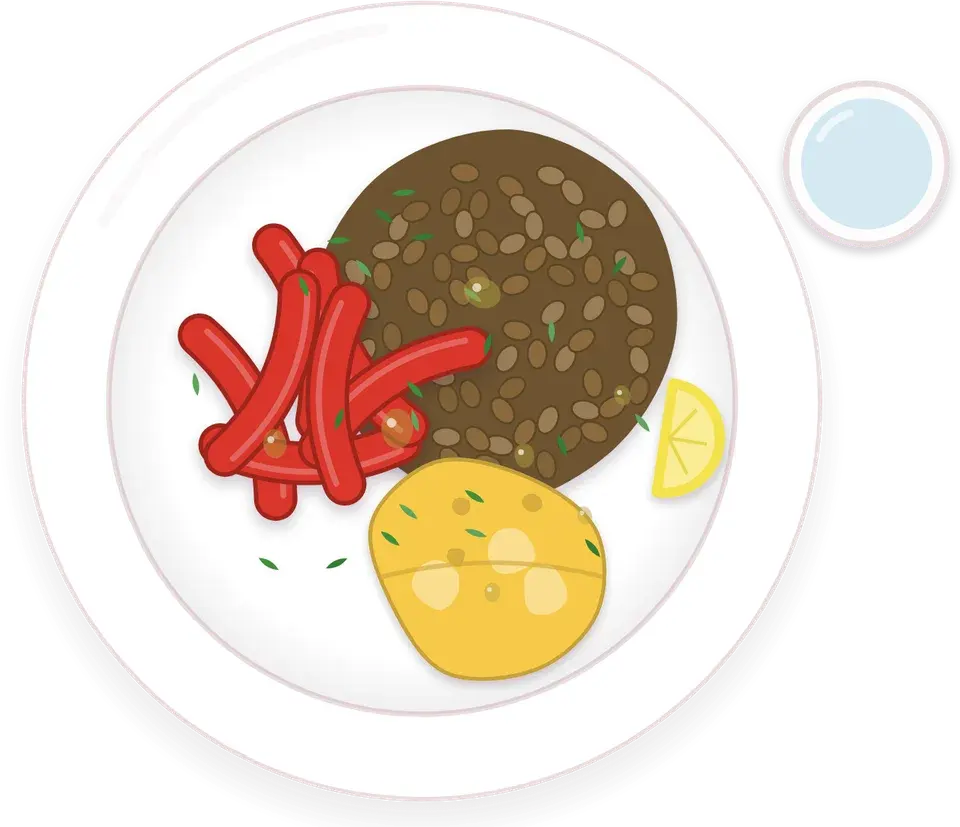 Breakfast25 minRed lentil fritters with parsley sauce and roasted pepper6 mgVegetarianKeeps 2 days
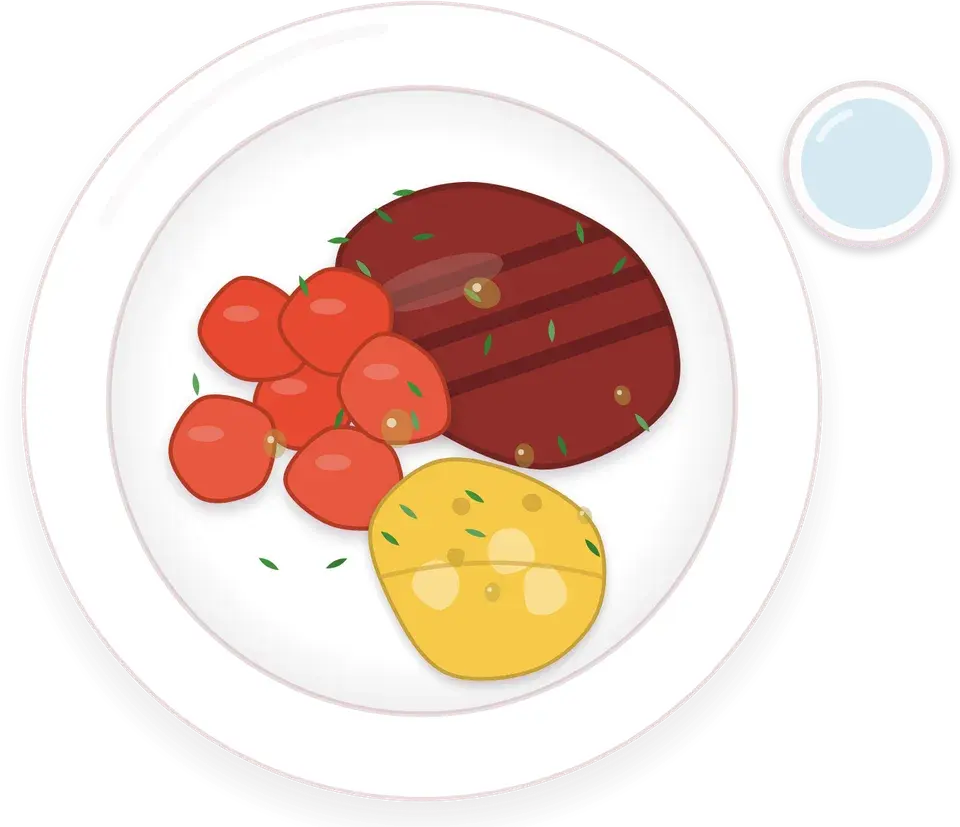 Breakfast15 minSteak and eggs with chimichurri5.1 mg
Iron-rich lunches
Bowls, soups and stews, many of them made to keep, so one pot covers a few days.
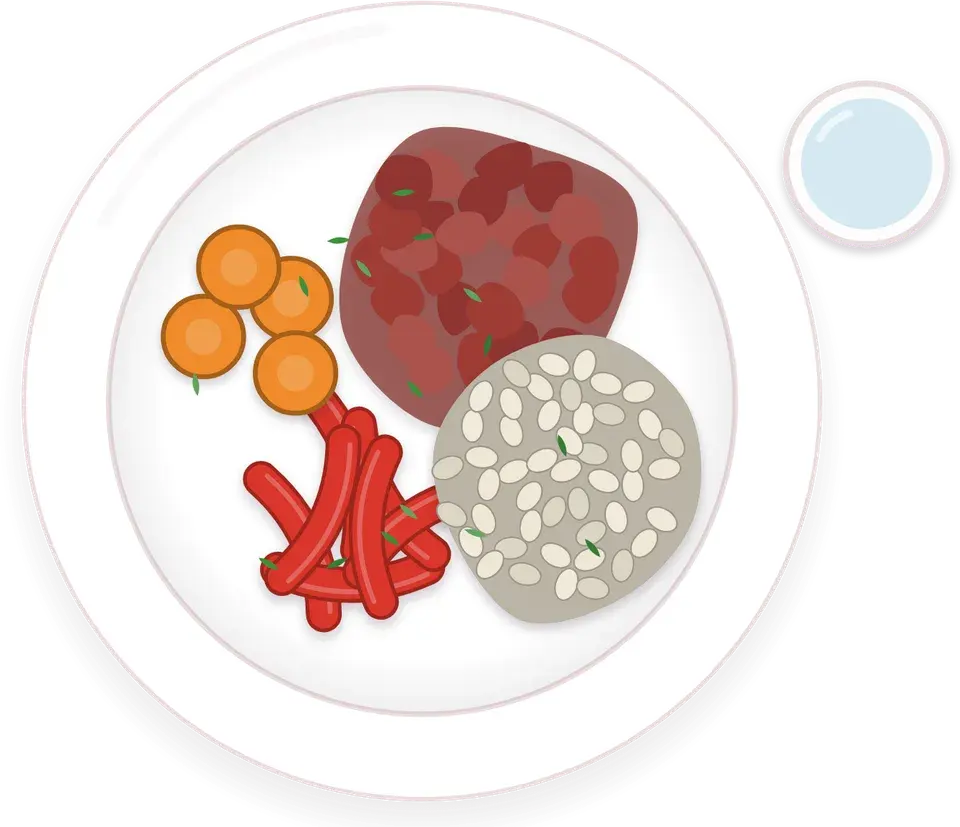 Lunch30 minBeef meatball soup with white beans8.2 mgKeeps 3 days
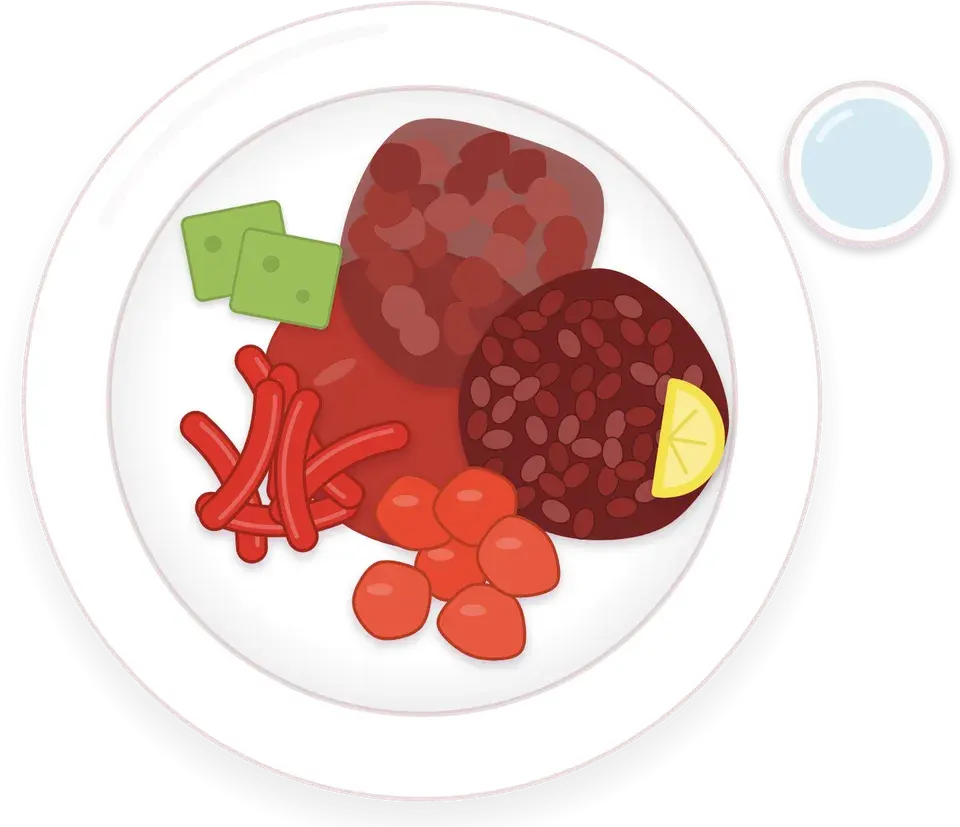 Lunch25 minBeef and red bean chilli with avocado and lime8.7 mgKeeps 3 days
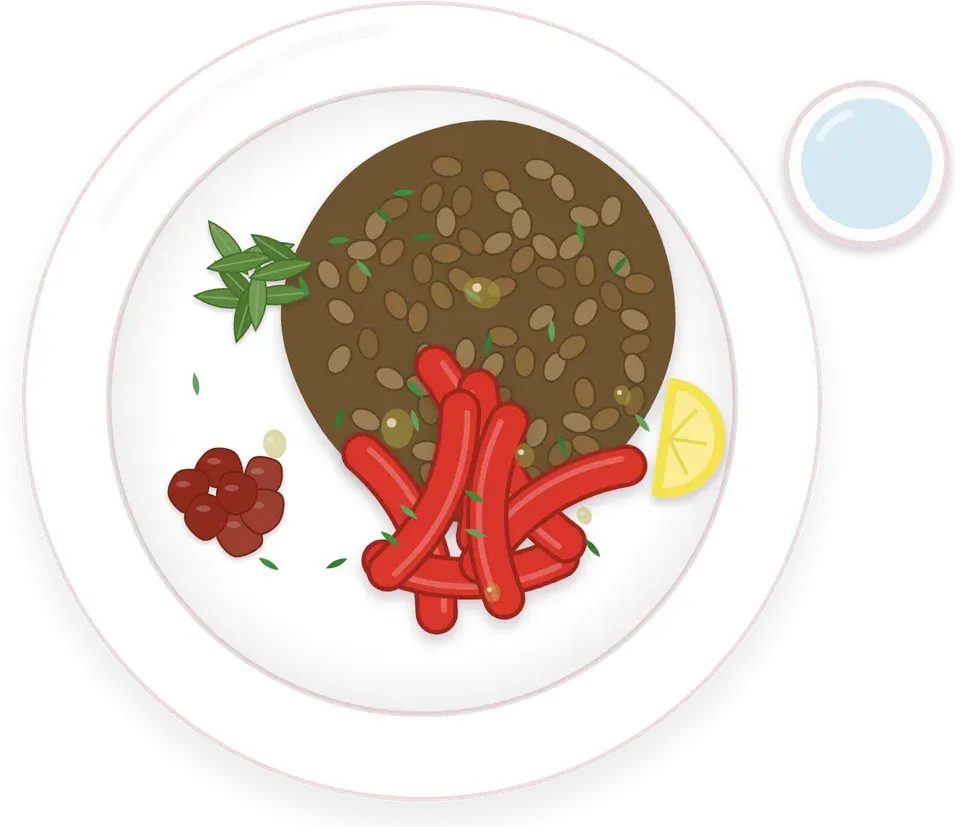 Lunch25 minLentil salad with roasted pepper and sun-dried tomatoes8.1 mgVeganKeeps 2 days
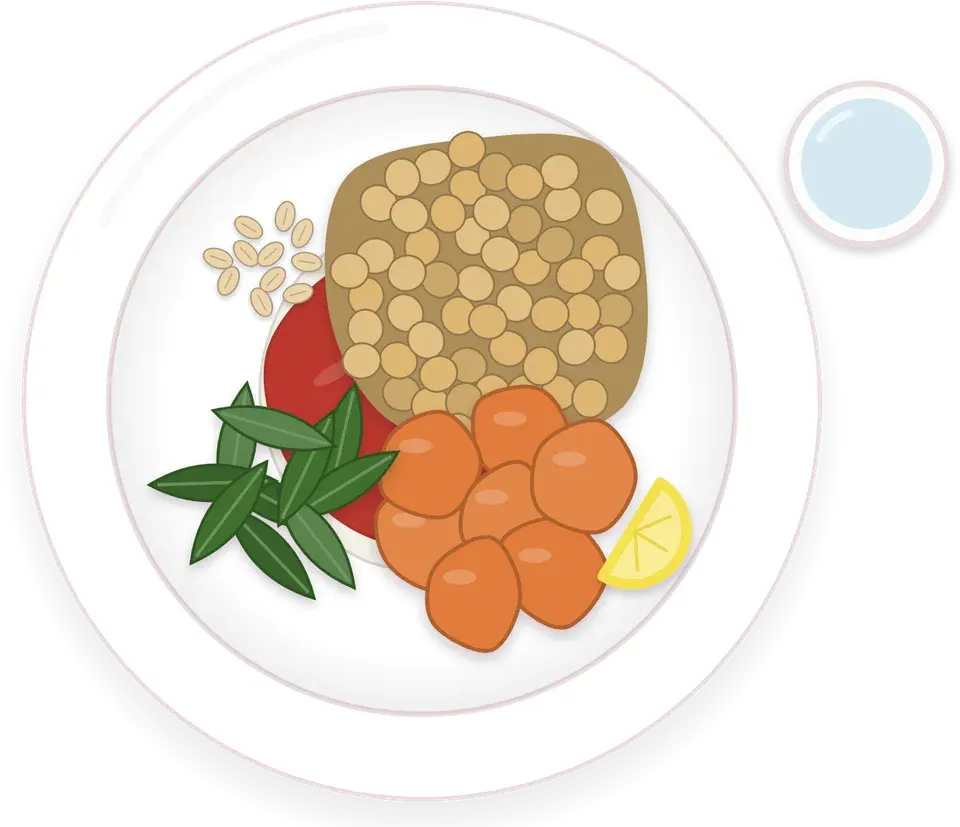 Lunch30 minChickpea and sweet potato curry with spinach11 mgVeganKeeps 3 days
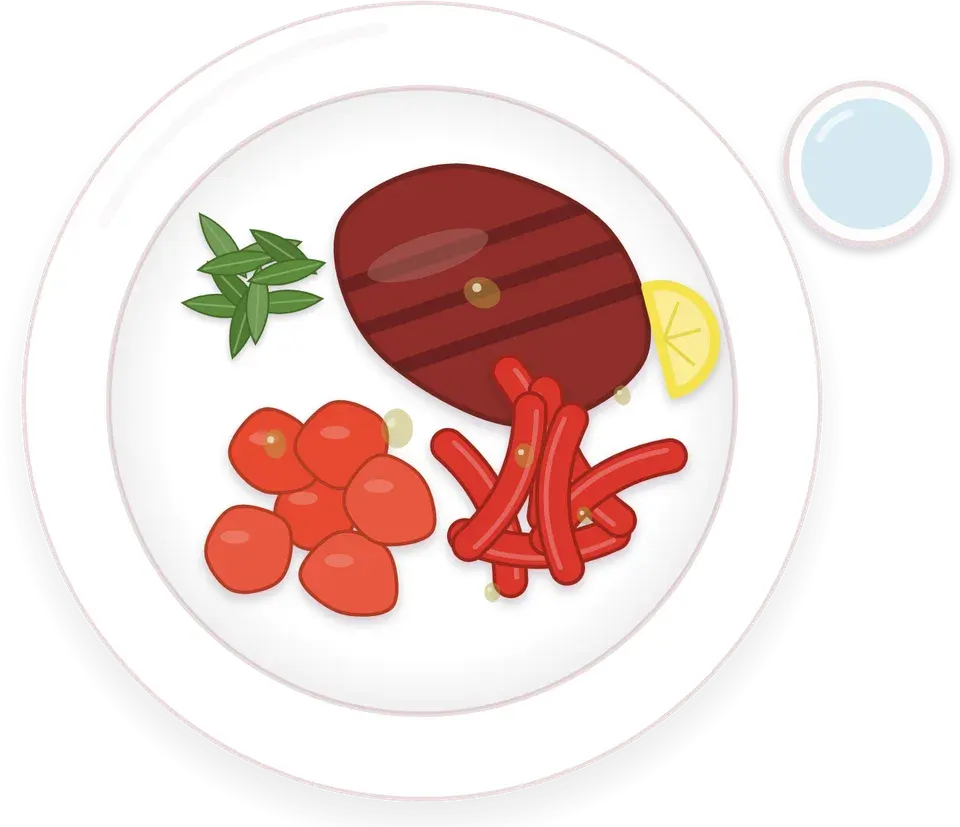 Lunch15 minSteak salad with roasted pepper and lime5.4 mg
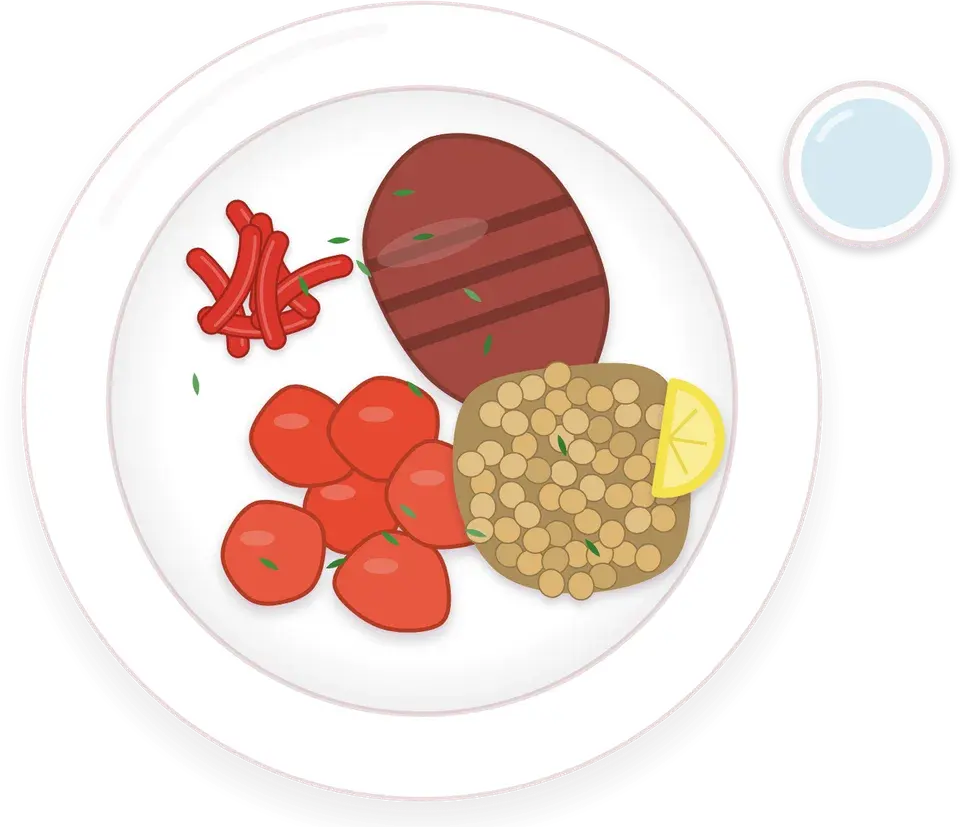 Lunch35 minLamb with chickpeas, tomato and parsley7.2 mgKeeps 3 days
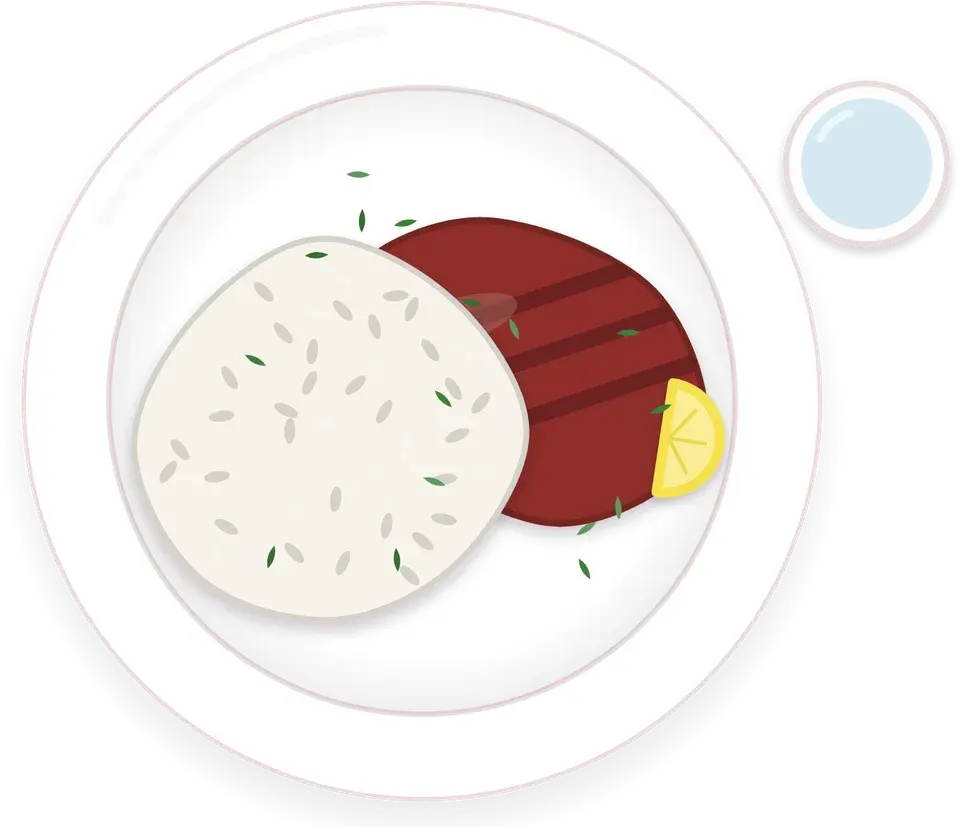 Lunch25 minBeef pho with lime and herbs3.7 mg
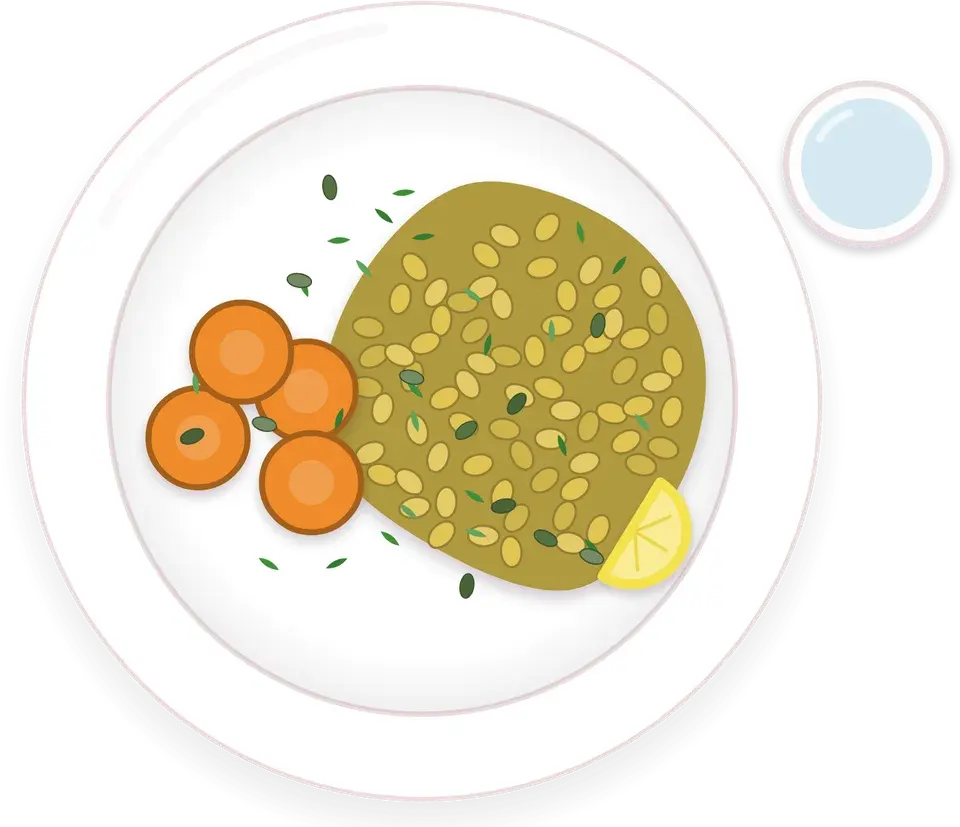 Lunch70 minSplit pea soup with carrot and parsley5.1 mgVeganKeeps 3 days
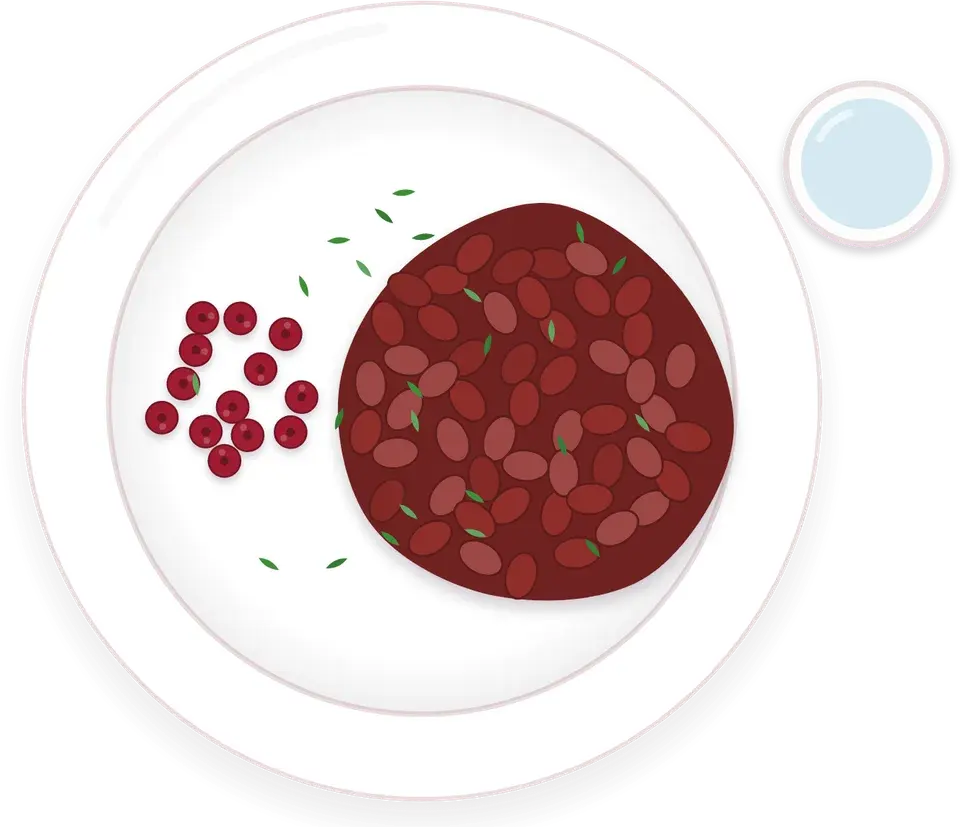 Lunch20 minGeorgian red bean stew with walnuts and pomegranate6.2 mgVeganKeeps 3 days
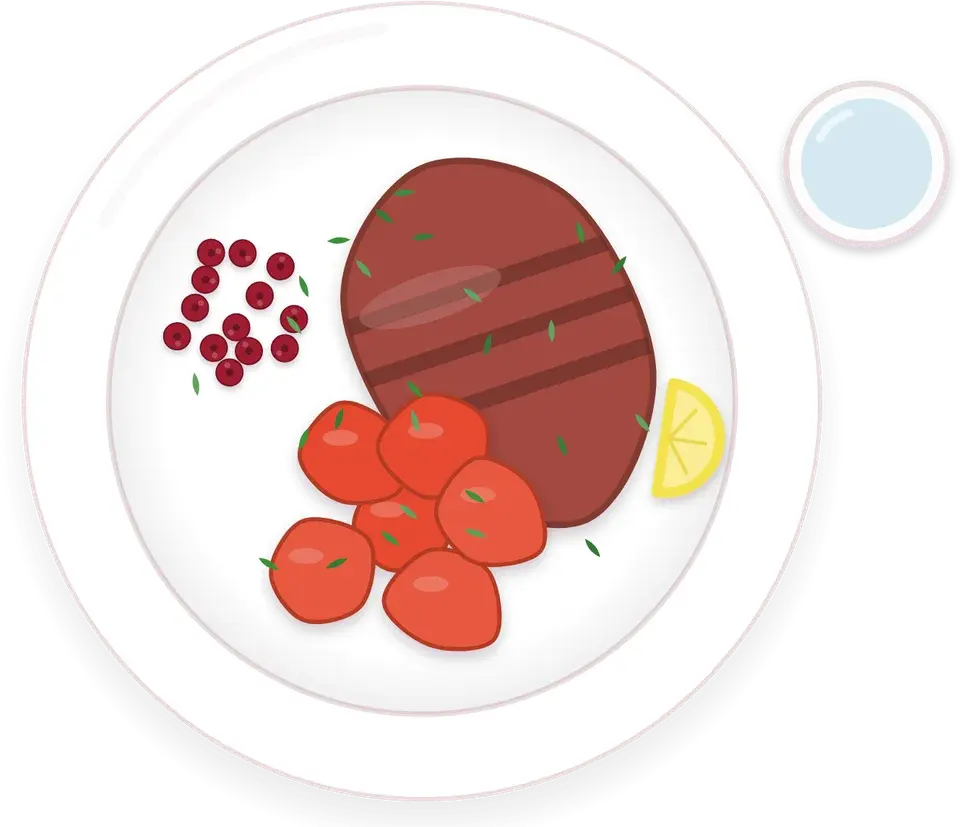 Lunch25 minLamb kofta with tomato, herbs and pomegranate4.6 mg
Iron-rich dinners
Weeknight plates, most of them in half an hour or less.
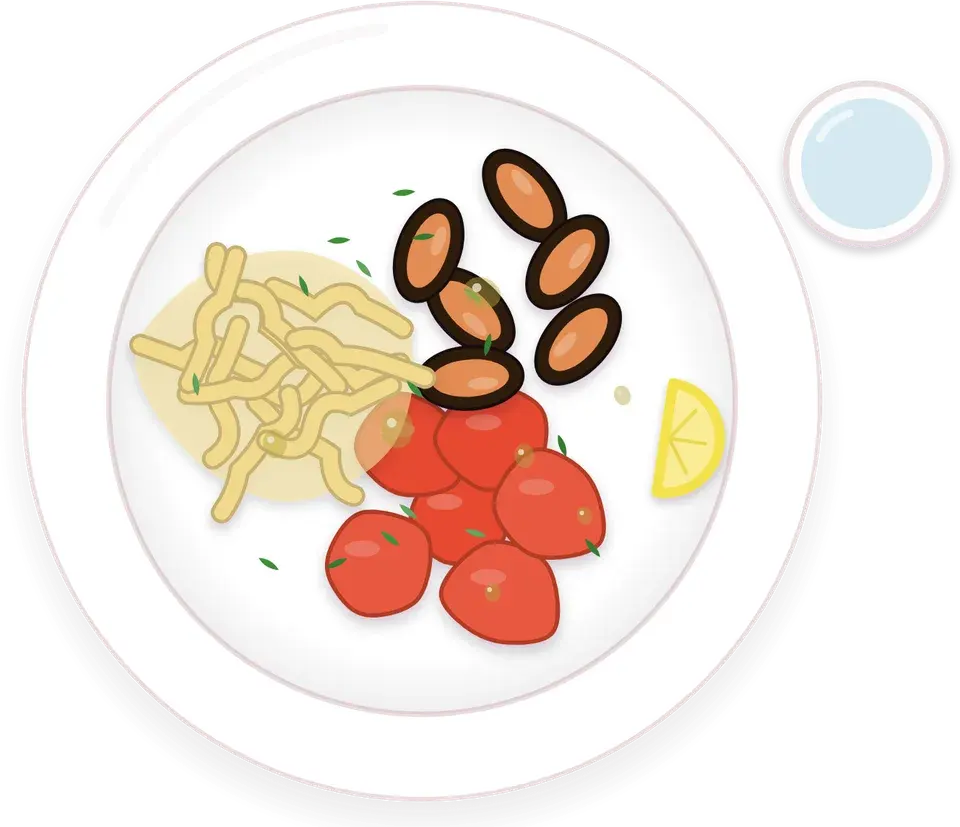 Dinner25 minMussels marinara12 mgPescatarian
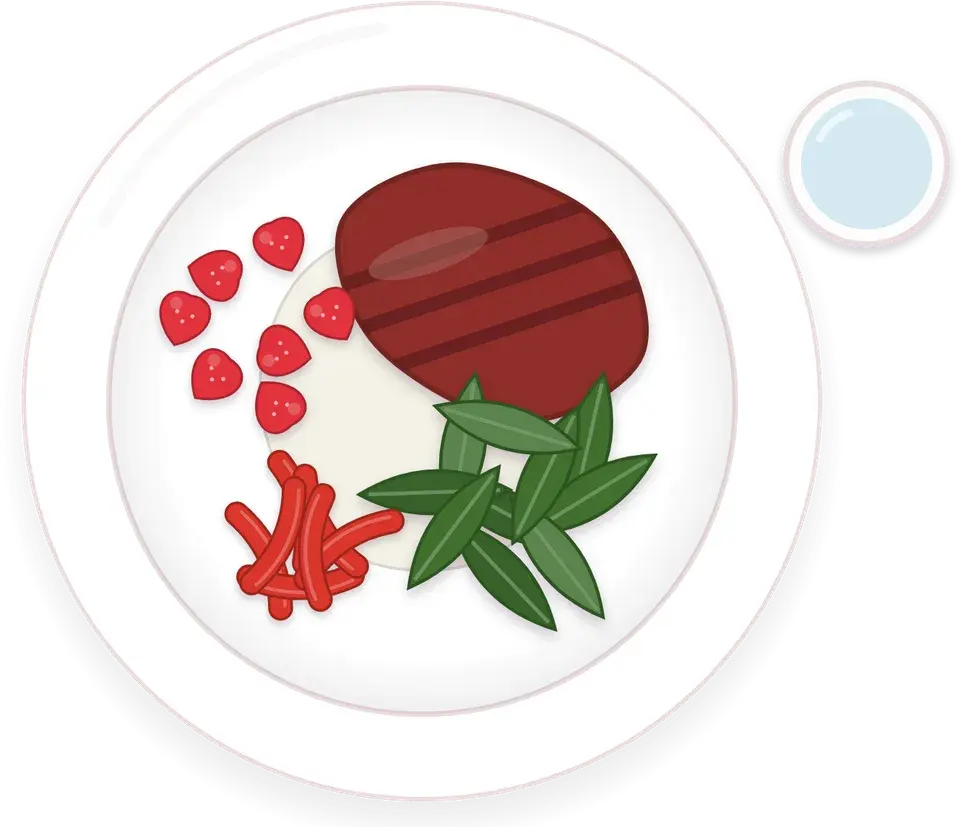 Dinner20 minSteak with spinach in coconut cream and strawberries9.5 mg
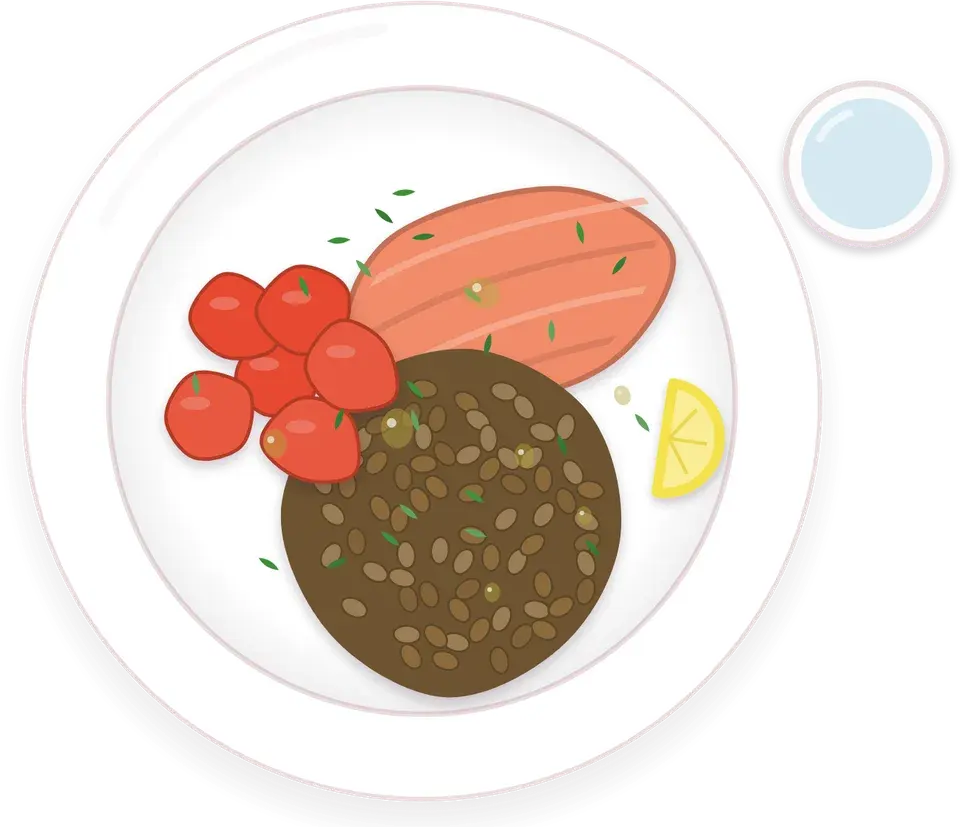 Dinner20 minSalmon on lentils with parsley sauce7.1 mgPescatarian
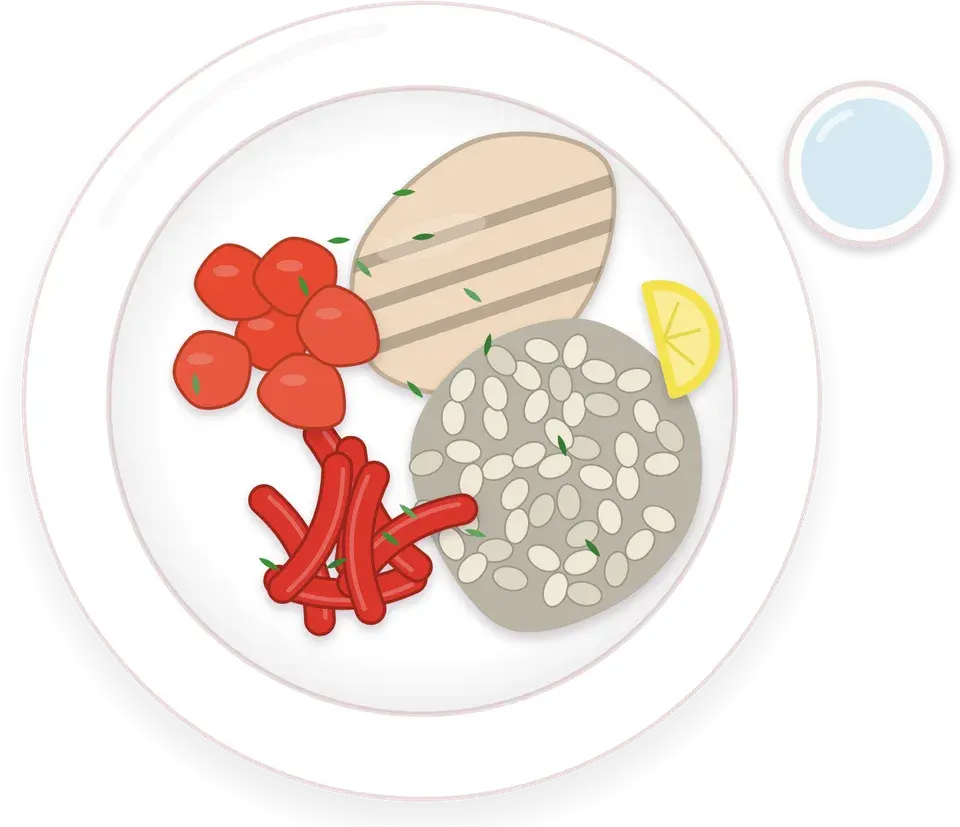 Dinner35 minChicken and white bean tray bake with lemon8.5 mgKeeps 2 days
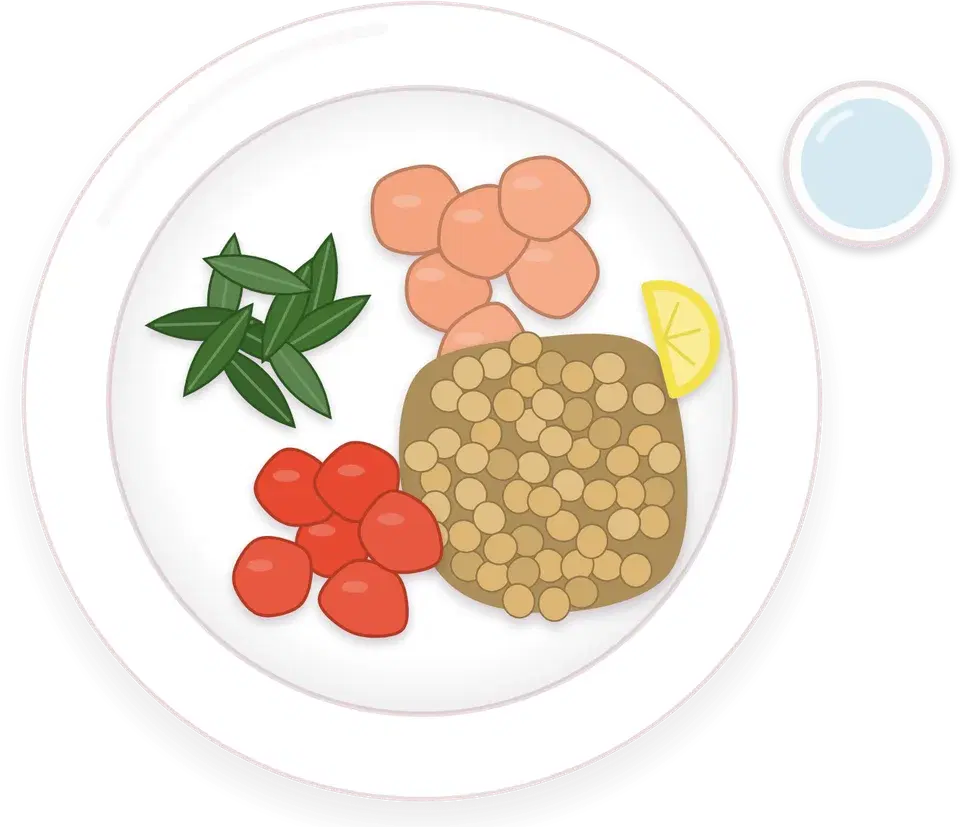 Dinner15 minPrawns with chickpeas, tomato and spinach8.2 mgPescatarian
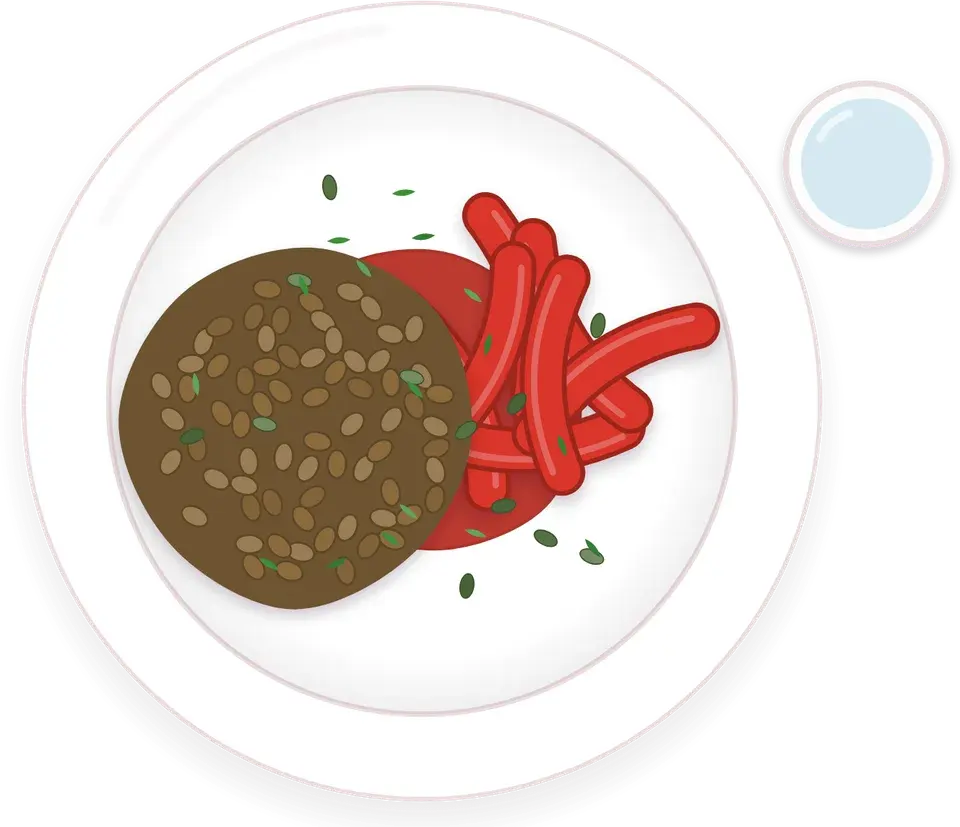 Dinner40 minPeppers stuffed with lentils and pumpkin seeds8.8 mgVeganKeeps 2 days
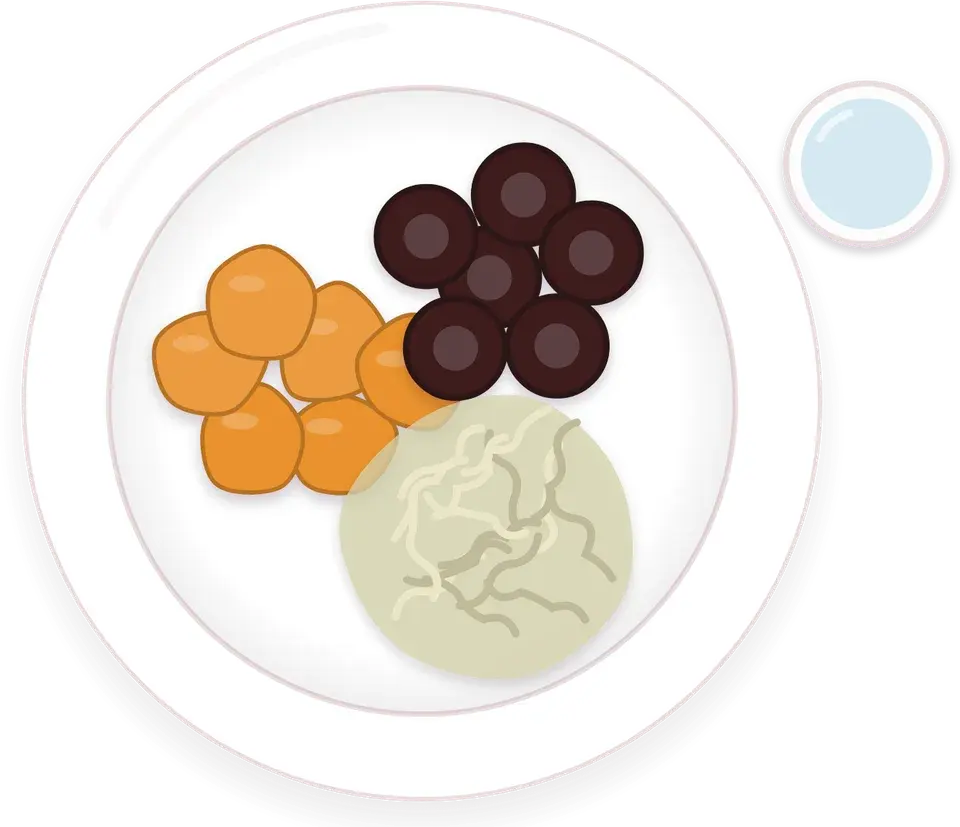 Dinner35 minBlood sausage with sauerkraut and roast pumpkin8.8 mg
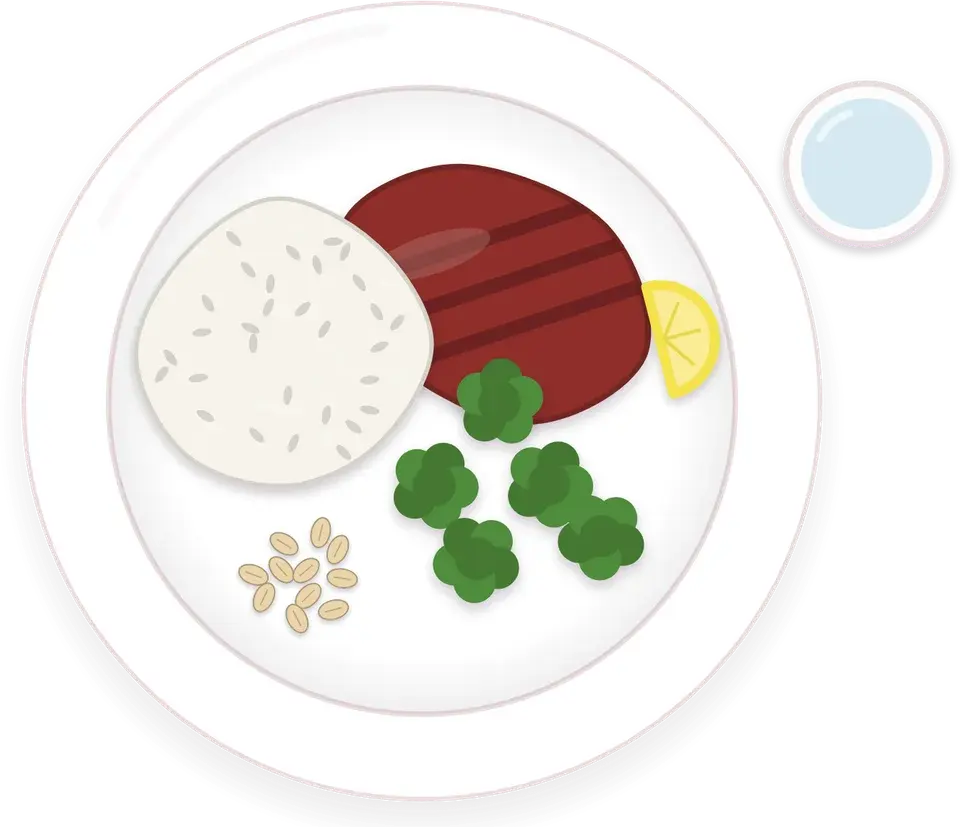 Dinner20 minBeef and broccoli stir-fry with ginger and cashews6.5 mg
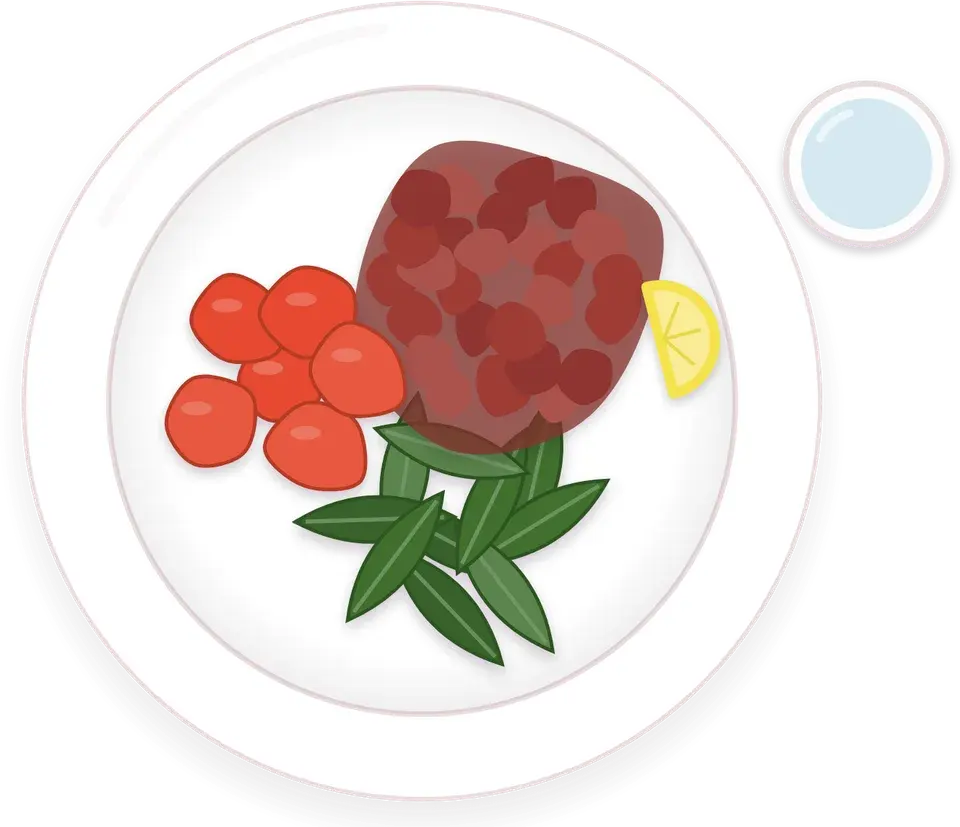 Dinner30 minBeef keema with spinach7.5 mgKeeps 2 days
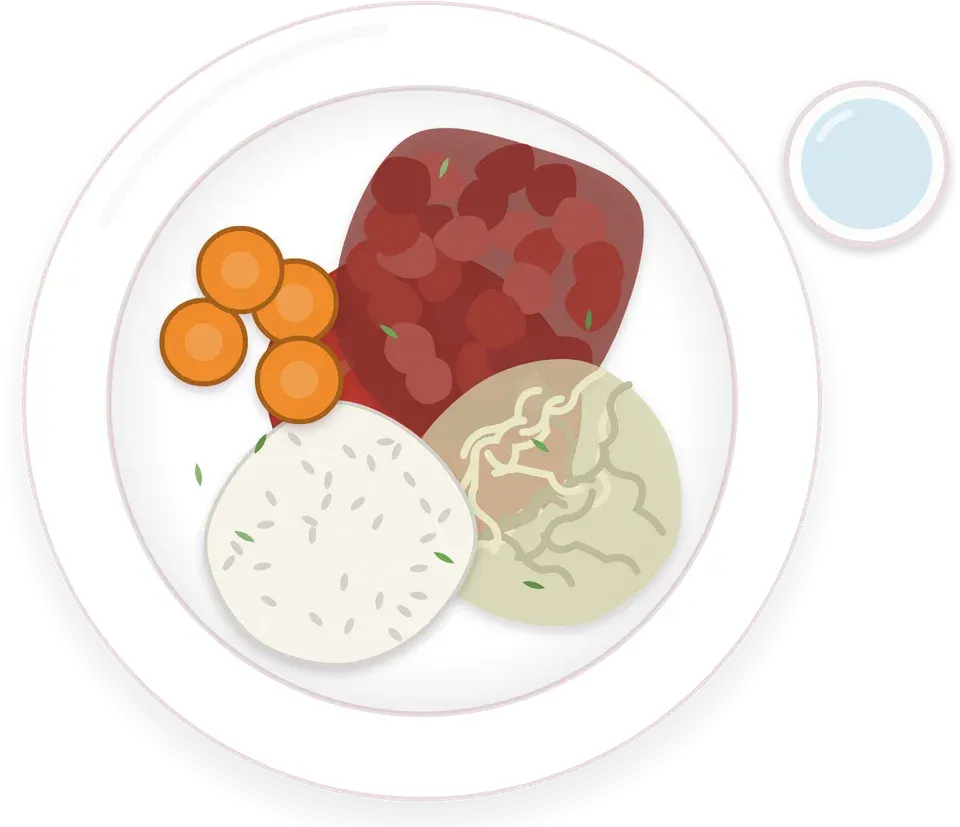 Dinner35 minLazy cabbage rolls with beef and sauerkraut6.3 mgKeeps 3 days
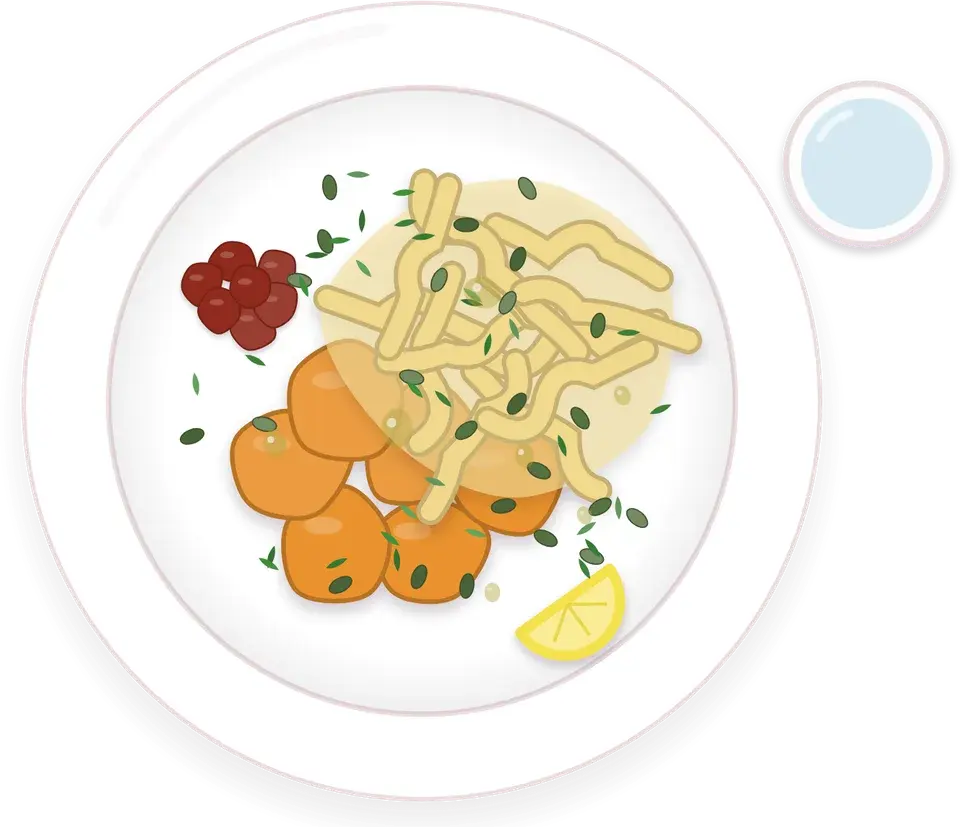 Dinner25 minPasta with pumpkin seed pesto and roast squash6.6 mgVegan
Liver, made easy
Liver carries more iron per bite than almost any other food, with copper and vitamin A to help you use it. Once or twice a week is plenty.
Pregnant or planning to be? Ask your doctor or midwife before eating liver or pâté. Both are very high in vitamin A.
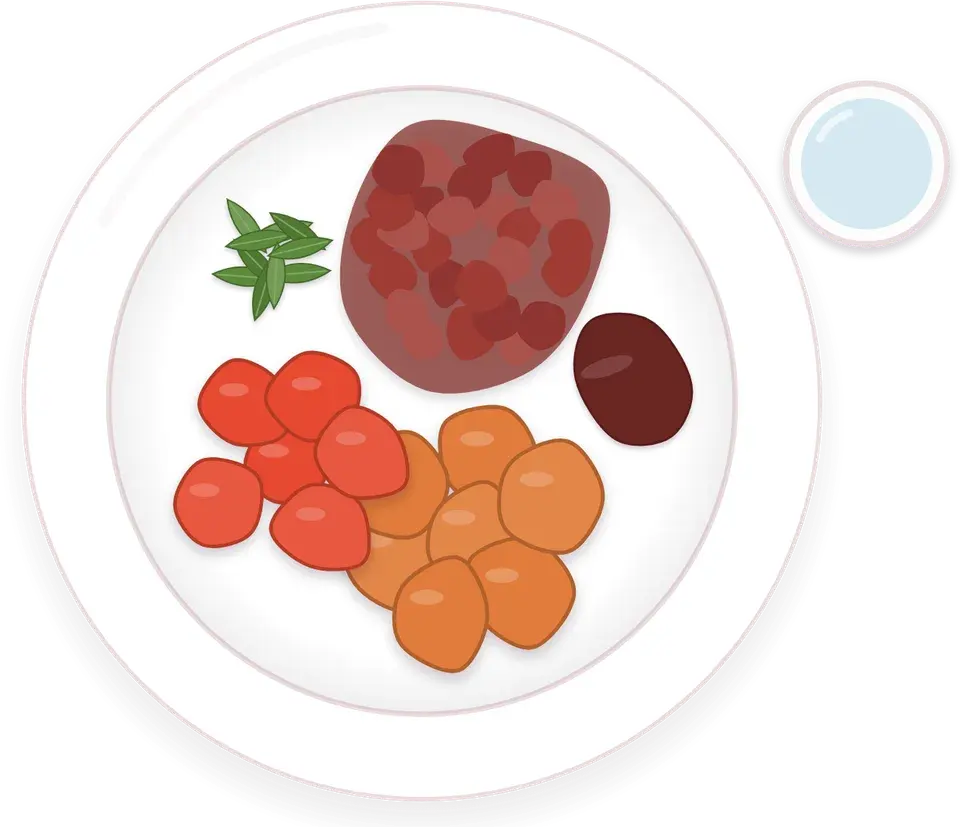 Dinner35 minBeef burgers with hidden liver and sweet potato wedges5.8 mg
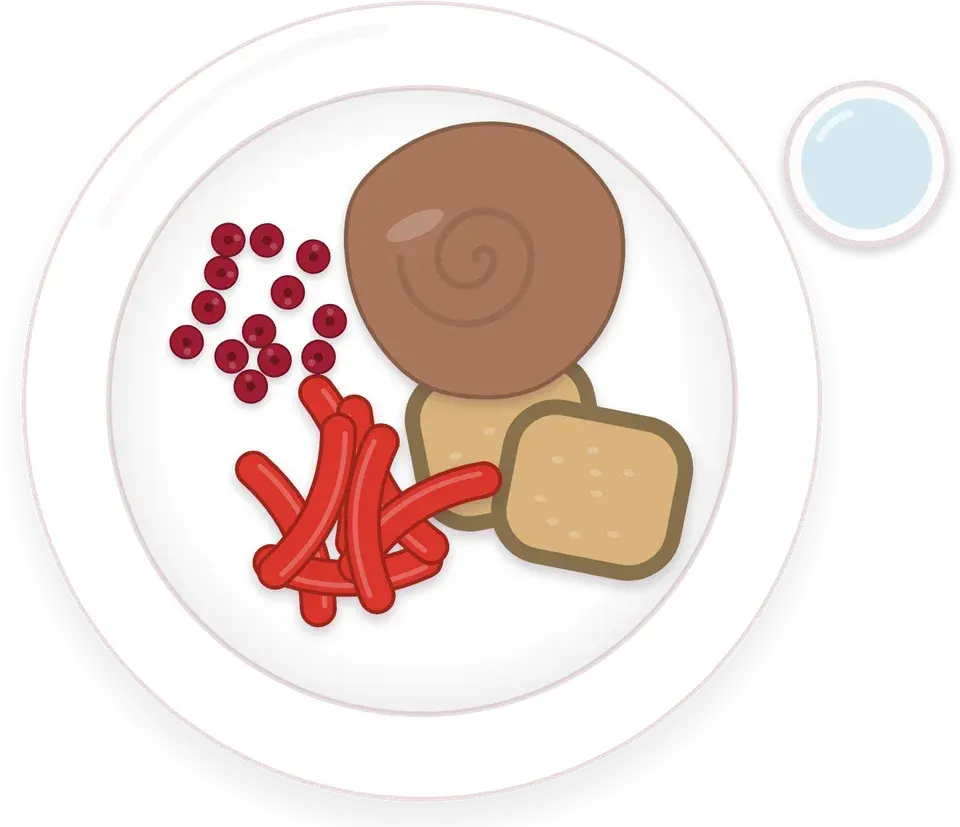 Breakfast5 minPâté on sourdough with pomegranate4.1 mg
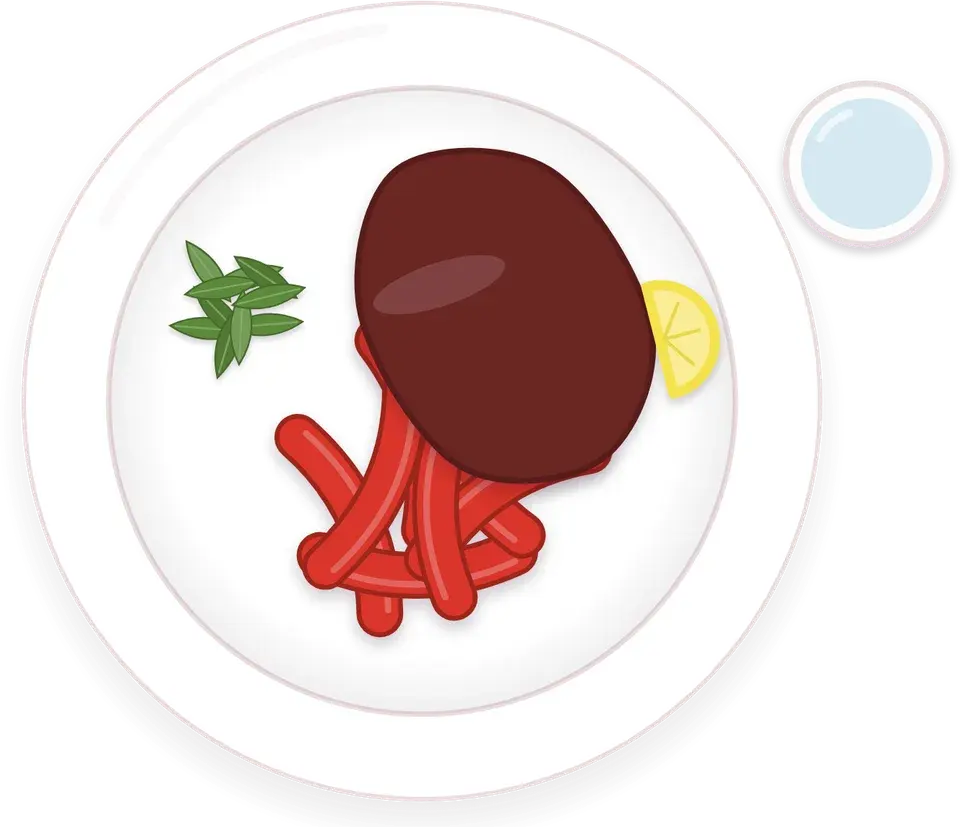 Dinner10 minQuick-fried liver with pepper, rocket and lime7.3 mg
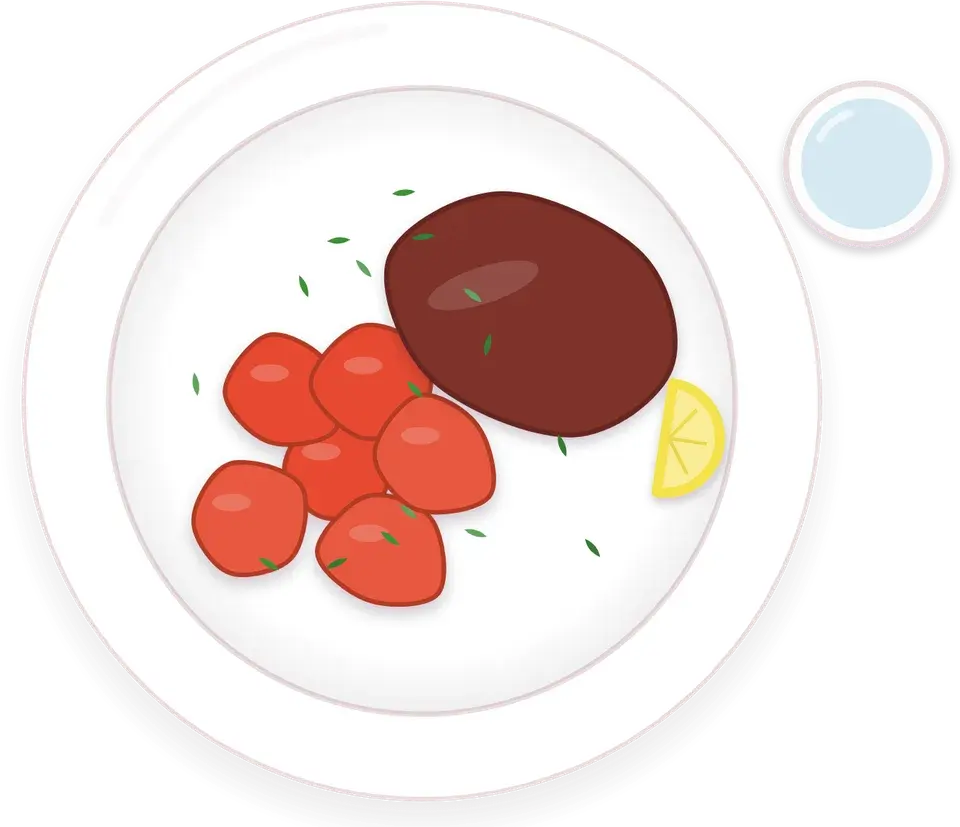 Lunch15 minChicken livers with tomatoes and parsley10.4 mg
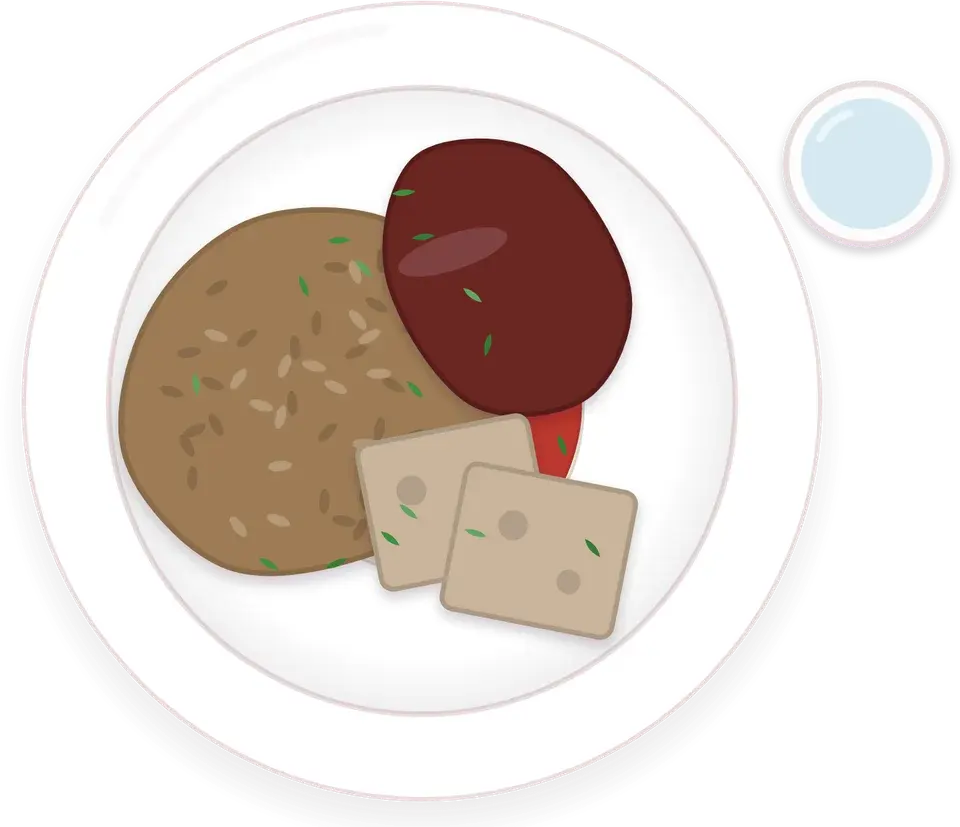 Dinner25 minLiver stroganoff with mushrooms on buckwheat10.2 mg
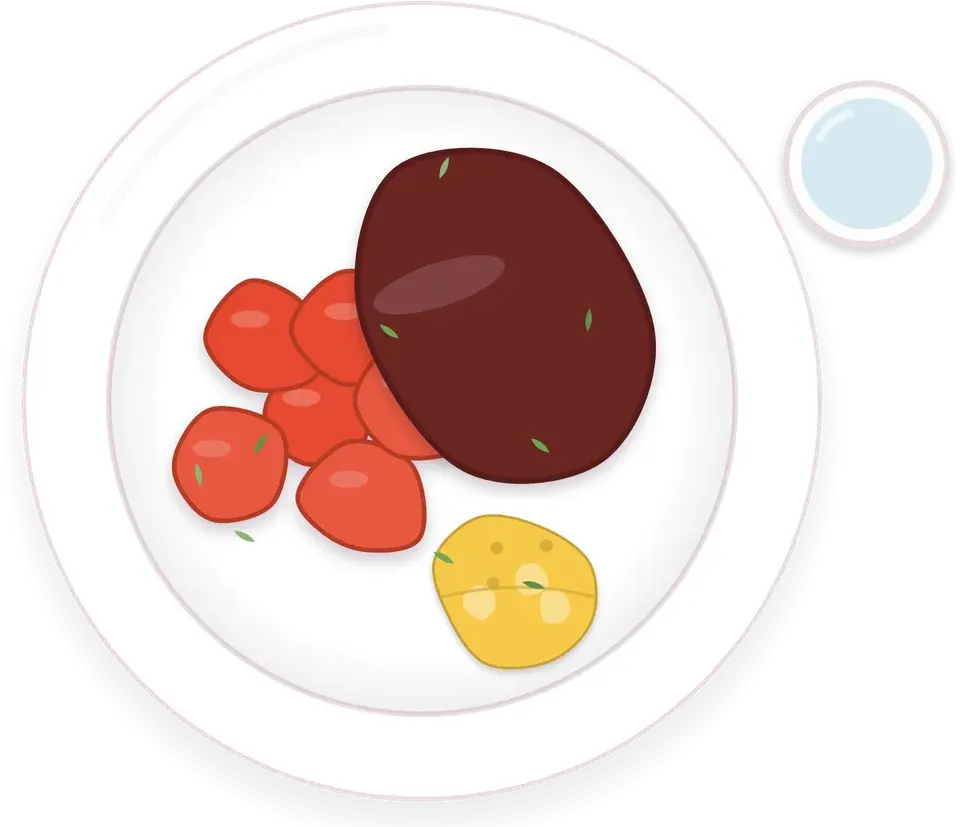 Lunch25 minLiver pancakes with tomato and dill7.4 mgKeeps 2 days
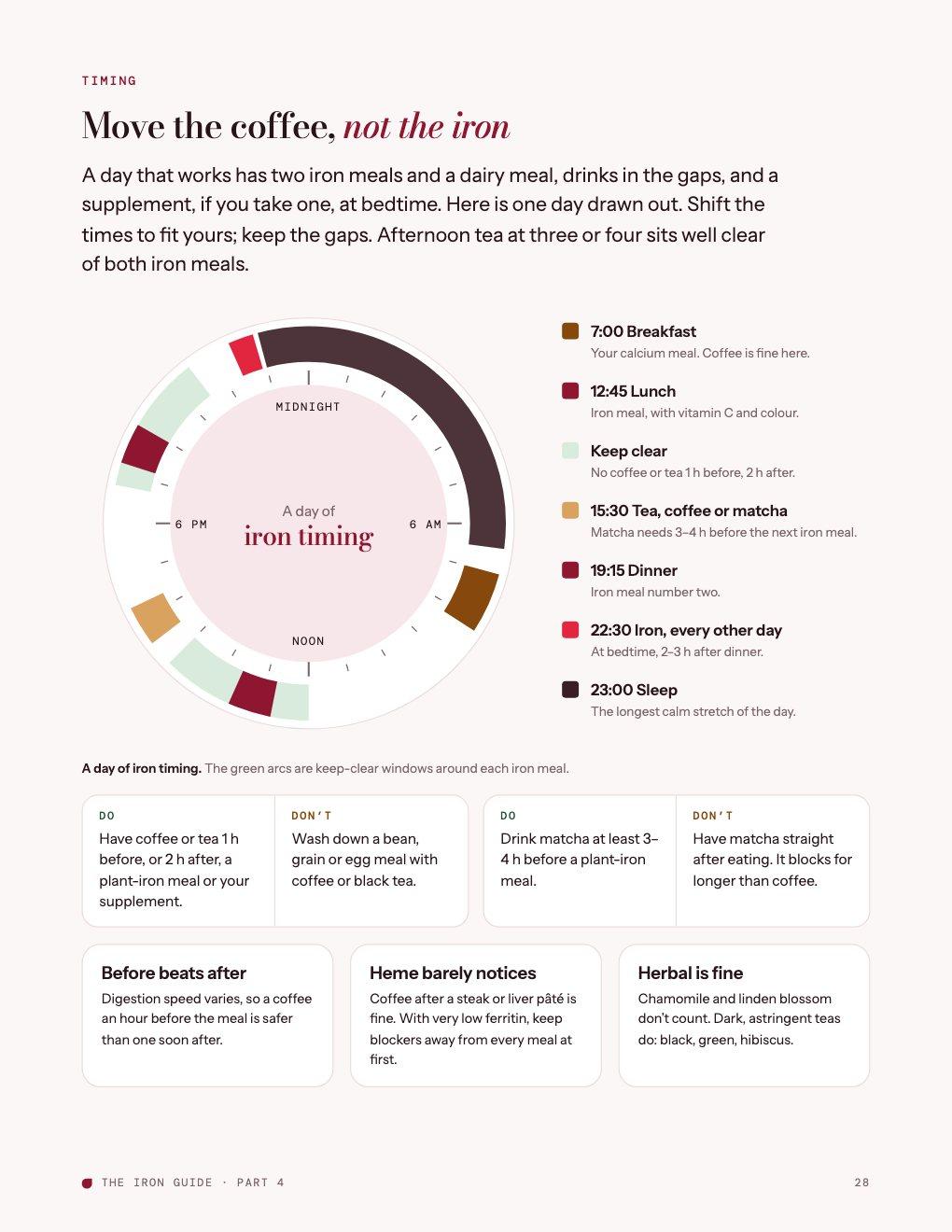
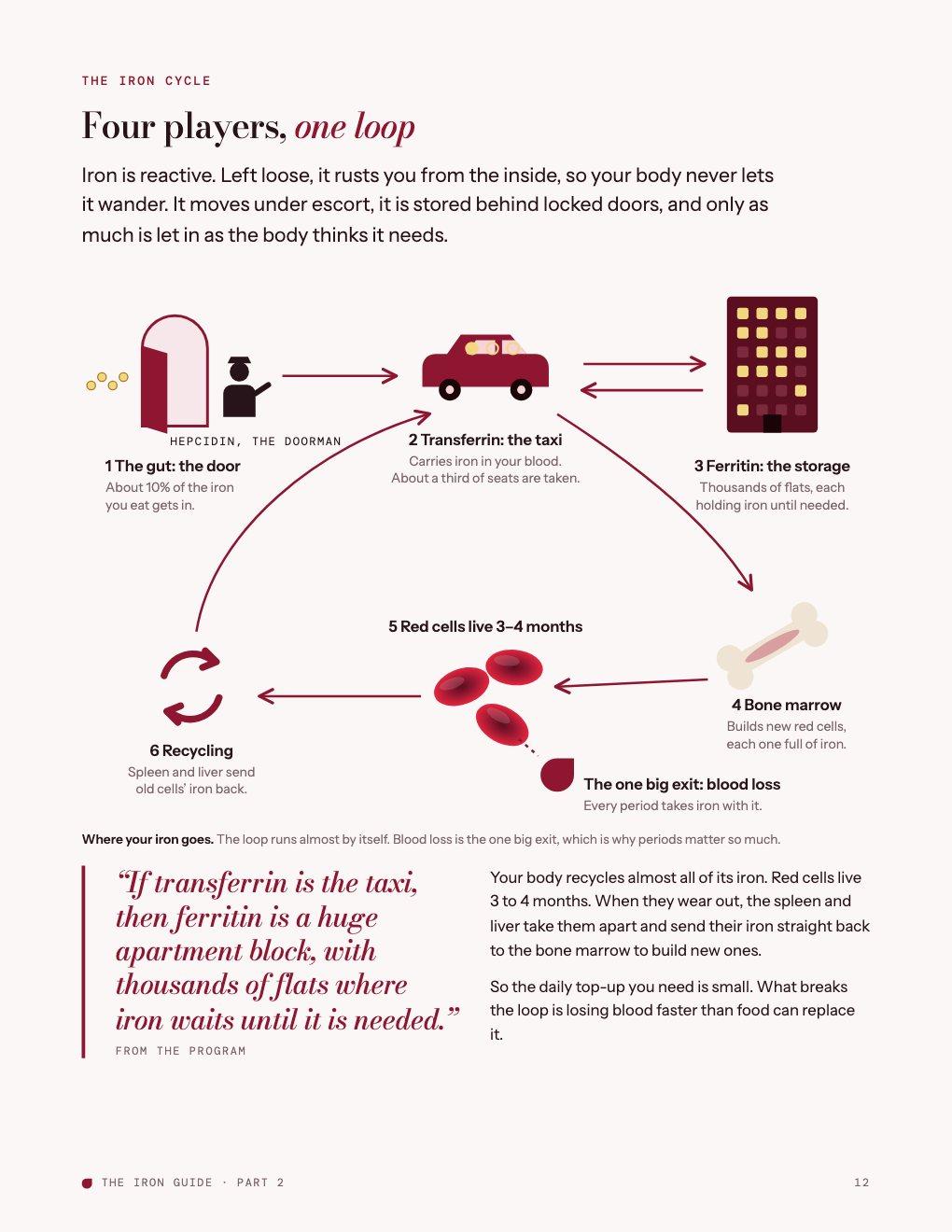
The Iron Guide
Not ready for an app?
Start with the guide.
Everything Ferritin is built on, in one illustrated PDF: how iron moves, which numbers matter, what to eat and when, how supplements are used well, and what to check when your iron stores will not move.
- 73 illustrated pages in 9 parts
- A 7-day ferritin menu with 21 recipes
- Printable lab tracker, period log and appointment sheet
PDF · 73 pages · in English · yours to keep